The responsible seafood innovation competition has two categories: one for aquaculture and one for wild-capture fisheries, giving a chance to both individuals and companies performing activities related to aquaculture and wild-capture fisheries to submit applications.
By Blue Africa News
Individuals and organisations working to find innovative solutions to challenges affecting the global seafood industry have an opportunity to be recognised this year by the Global Seafood Alliance (GSA), through the responsible seafood innovation awards.
Seafood which refers to any form of aquatic life eaten by humans sourced from oceans, seas, lakes, and rivers including fish is globally recognised for its nutritional benefits, supporting millions of livelihoods and providing over 20% of the world’s protein intake, according to the Food and Agriculture Organization (FAO).
“The global seafood market is valued at approximately US$428 billion, with international trade in fisheries and aquaculture products exporting around US$171 billion annually,” notes FAO in one of its publications.
However, the industry is grappling with challenges such as overfishing, climate change altering aquatic habitats, high post-harvest losses due to poor cold-chain infrastructure, and strict international traceability standards, putting innovators at the centre of finding solutions.
It is on this backdrop that the GSA awards gala will be held in Bangkok, Thailand, during the responsible seafood summit set for 21-14 September, 2026, marking the competition’s 14th anniversary since its launch in 2012.
According to GSA, the responsible seafood innovation competition has two categories: one for aquaculture and one for wild-capture fisheries, giving a chance to both individuals and companies performing activities related to aquaculture and wild-capture fisheries to submit applications. Notably, third parties may also submit an application on behalf of an individual or company.
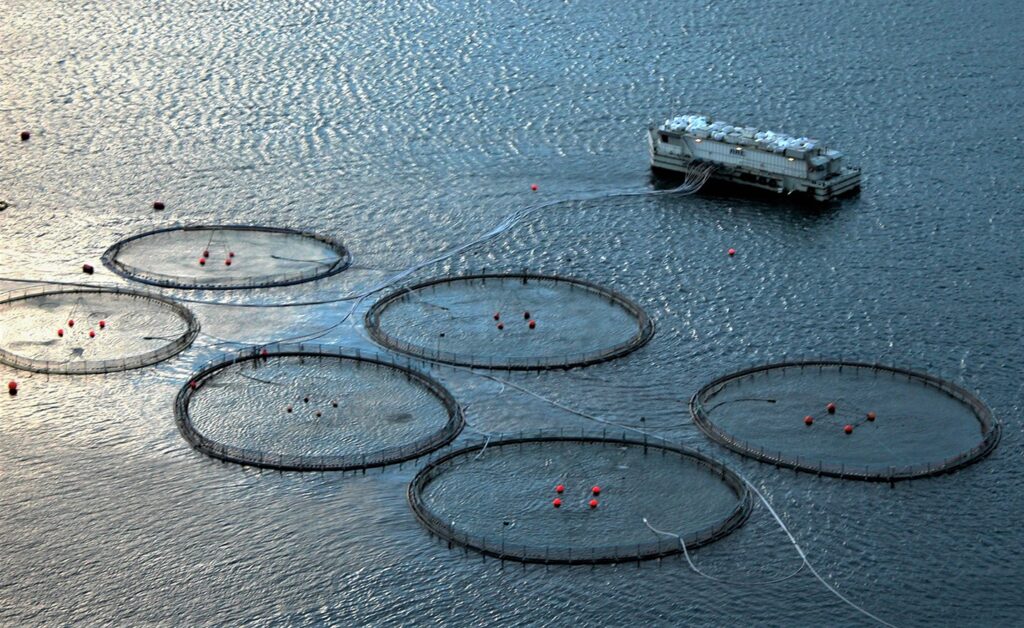
GSA explains that aquaculture innovations include technologies that mitigate the occurrence of animal diseases or parasites, or that reduce or eliminate the use of antibiotics to treat animals; or technologies that improve production efficiencies at the hatchery or farm levels while mitigating environmental impact.
They also include advances in offshore or land-based recirculation technologies; novel feed ingredients; reductions in carbon footprint through improved energy efficiency or regeneration; and social programs designed to improve living and working conditions at the farm or processing levels.
On the other hand, fisheries innovations include fisheries improvement projects (FIPs); initiatives that provide small-scale fishers access to new markets; technology that reduces fisheries bycatch or minimizes the environmental impact of fishing gear or occurrence of derelict gear or technology (such as satellite and vessel monitoring) to help authorities prevent illegal, unreported and unregulated (IUU) fishing.
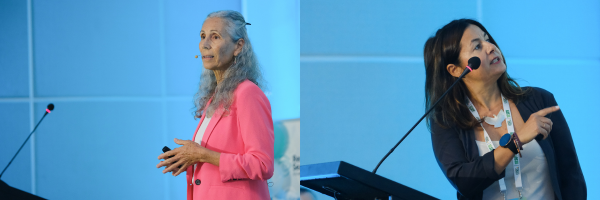
From left: 2025 winners Megan Davis of Queen Conch Lab and Gala Moreno of International Seafood Sustainability Foundation during their presentation in Cartagena, Colombia. Photo courtesy Global Seafood Alliance
Initiatives that address worker safety and wellbeing aboard fishing vessels; technology that promotes more sustainable fisheries supply chains; and initiatives that incorporate the impacts of climate change into sustainable fisheries management are also included in this category.
“Innovations further down the value chain, such as eco-friendly seafood packaging, are also eligible to apply,” said GSA while declaring open the 2026 application process, which runs through to July 10, 2026.
The applications process entails filling out an application form which requests for basic information such as the name of the applicant, organisation, address, city and country among others. Visuals of the innovation, including photographs, illustrations and videos, are strongly encouraged to be included with the application.
Applicants are expected to summarise their innovations in 100 words, describe the specific problem or area of concern that innovation addresses in another 100 words and describe the innovative solution to the problem in 200 words.
They are also expected to explain how their innovative solutions exceed standard industry practices in 100 words, describe their success or outcomes in 100 words and explain the potential scope for the application of the innovation to the wider industry in another 100 words.
Upon expiry of the application process, judges will narrow the list of applicants for each of the two categories to three finalists by July 31. The panel of judges comprises GSA staff, GSA Standards Oversight Committee (SOC) members and select external shareholders.
“The six finalists will subsequently be invited to attend the responsible seafood summit in Bangkok, Thailand, and present their innovations during a reception on Tuesday, September 22, or submit a 5-minute video as a stand-in. The two winners will be announced at that time after an audience poll is conducted on site,” concludes GSA.
Oliver Ochieng, Blue Africa News