

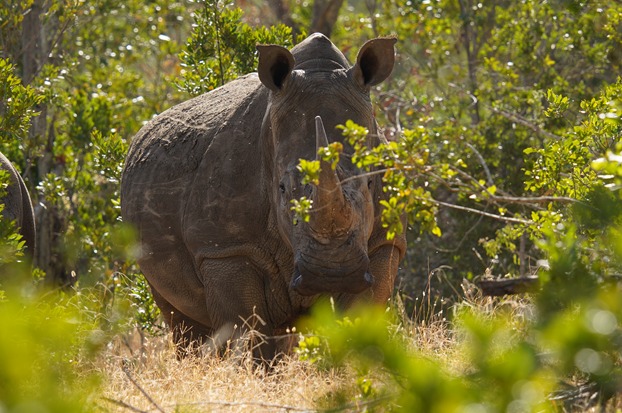
The new fee structure, if approved, will strengthen the agency’s ability to respond to challenges such as poaching, human-wildlife conflict and habitat degradation, besides boosting the East African nation’s tourism paycheck. The country manages four Marine national parks in addition to world famous parks like the Maasai Mara.
The government of Kenya through the Kenya Wildlife Service (KWS) is proposing a review of park access fees for the first time in 18 years, in a bid to boost conservation efforts and tourism earnings.
If the proposed changes outlined in the draft Wildlife Conservation and Management (Access and Conservation Fees) Regulations, 2025 go through, KWS will recoup Ksh12 billion (USD$93 million) annually having generated Ksh7.92 billion (USD$61 million) in the 2024/2025 financial year, against a target of Ksh19.79 billion (USD$76 million).
According to KWS Director General Prof. Erustus Kanga, the new fee structure, if approved, will strengthen the agency’s ability to respond to challenges such as poaching, human-wildlife conflict and habitat degradation, besides boosting the East African nation’s tourism paycheck.
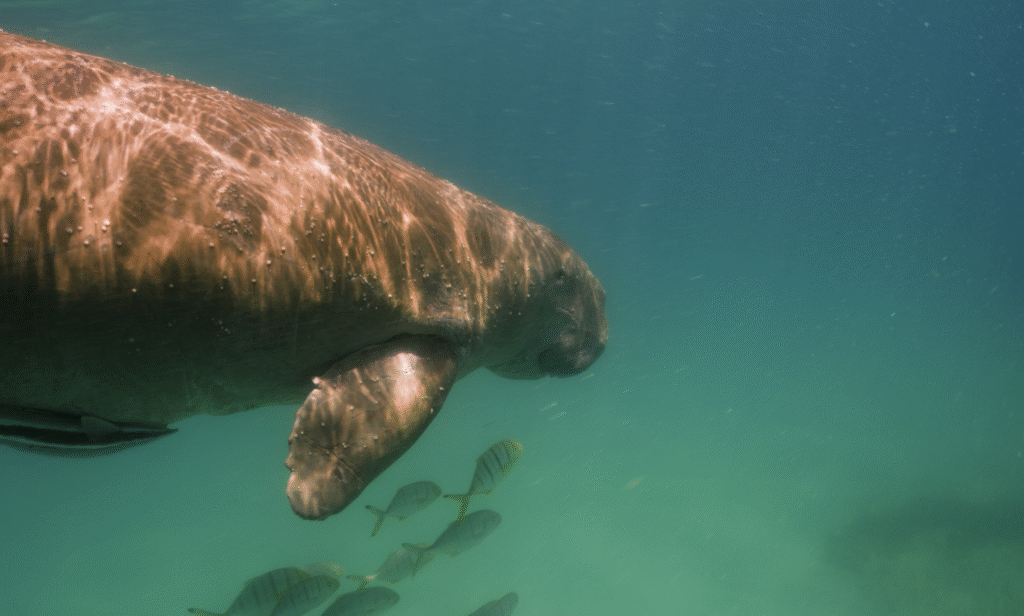
“This review is not just about revenue—it is about the survival of our wildlife and the resilience of our conservation systems,” said Kanga, as quoted by the local media.
“For over a decade, our conservation fee structure has remained static, despite rising costs, evolving visitor expectations, and increasing threats to wildlife.”
KWS is proposing a 74.4% increase in admission fees for adults and other East African Community (EAC) nationals to the country’s two top parks, namely Amboseli National Park and Lake Nakuru National Park.
If approved, the rates will move from Ksh860 to Sh1,500 for one to access Amboseli and Lake Nakuru National Parks, while charges for Tsavo East and Tsavo West national parks will rise from Ksh515 to KSh1,000.
Similarly, entry to the Nairobi Park will cost Ksh1,000, up from Ksh430. For foreigners, KWS is proposing an increase of entry fee from USD$50 to between USD$60 and USD$90. Under the new proposal, children will part with between Ksh500 to Ksh750, up from between Ksh215 to Ksh300.
However, those opposed to the proposal – including tour operators and local lodge owners – argue that it is akin to “Kenya shooting itself in the foot.”
They argue that higher fees, especially for popular parks like Maasai Mara, Nairobi, Amboseli, Nakuru, and Tsavo could prove counterproductive, as it could drive tourists to other destinations like Tanzania or Rwanda.
Rebecca Miano, Cabinet Secretary, Ministry of Tourism and Wildlife says over 90 percent of KWS’s internal revenue comes from tourism-related activities.
The Minister, during a televised interview on 11 July, said her ministry is working round the clock to ensure 5.5 million visitors tour Kenya annually.
“The 5.5 million visitors annually that we are looking at, will bring about 1 trillion Kenya shillings in terms of earnings. We really want to make a difference using tourism,” she noted.
The Kenya Tourism Research Institute (TRI) said in the Seventh Edition of its Annual Tourism Sector Performance Report that in 2024, Kenya experienced a notable increase in international tourist arrivals, welcoming 2,394,376 visitors compared to 2,089,259 in 2023, representing a 14.6% growth.
“The inbound tourism earnings increased to Ksh452.20 billion (USD$3.4 billion) in the year 2024 compared to Ksh377.49 billion (USD$2.9 billion) in 2023, translating to a growth of 19.79%,” stated the report.
The significant improvement in tourist arrivals was largely attributed to key strategic interventions, including Electronic Travel Authorization (ETA), aggressive marketing, enhanced tourism product diversification, and adoption of digital platforms such as smart booking platforms and targeted online promotions, which have optimized the visitor experience.
Additionally, there was an introduction of new scheduled airlines namely Air Asia, Air Dubai and relaunch of Brussels Airlines during the period under review.