

Delegates from over 10 African countries are attending the conference with conversations revolving around the ocean economy as a driver of youth employment, harbouring success – growing ports capacity and from blue potential to African maritime power among other topics.
by Marabou News Agency Staff
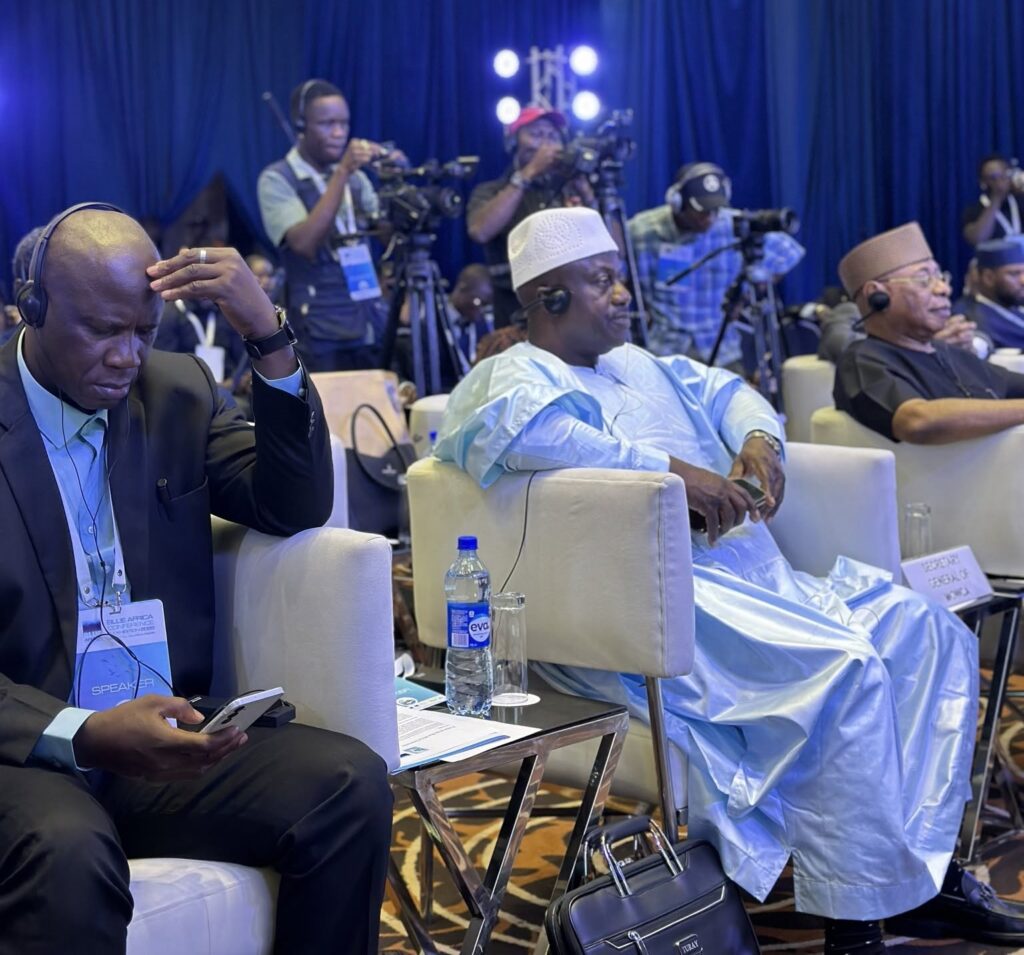
The inaugural Blue Africa Conference and Exhibition (BACE) opened its doors at the Lagos Intercontinental Grand Ball Room in Nigeria on August 13, 2026, ushering ministers, maritime leaders, policymakers, industry players, young professionals and partners to two days of conversations around Africa’s vast Blue Economy opportunity.
Africa’s Blue Economy potential is huge. With a coastline of over 30,500 kilometers, 39 African countries have direct access to the sea, supporting vital trade routes and rich marine life.
Themed “Unlocking Africa’s Blue Potential: A Vision for Sustainable Growth,” the conference orgainised by Bahari Network in collaboration with the Maritime Organization of West and Central Africa (MOWCA), sets the tone for annual events to be held not only in Nigeria, but across Africa.
Speaking during his opening remarks, Ambassador Alhaji Fanday Turay Esq, Sierra Leone’s Minister of Transport and Aviation declared that “Africa is Blue,” calling for concerted efforts to make it an important pillar of Africa’s economic transformation.
“Our oceans, coastlines, rivers and lakes are major economic assets supporting trade, food security, livelihoods, biodiversity, energy and access to global markets. The Blue Economy must therefore become an important pillar of Africa’s economic transformation,” said the minister.
The global ocean economy, he noted, is estimated at approximately US$1.5 trillion annually and could reach around US$3 trillion by 2030, emphasizing the need for Africa to position itself to benefit from a greater share of this opportunity, sustainably.
He regretted that despite maritime transport remaining Africa’s principal gateway to international markets, the continent’s participation in global shipping and maritime trade remains disproportionately small.
“For too long, Africa has exported commodities through its ports while much of the value from shipping, logistics, processing, insurance, technology and maritime services has been created elsewhere. Our ports must become centres of production, logistics and value addition. And no African port can achieve its full potential in isolation,” said the Sierra Leone minister, adding that the future must be one of connected African ports, connected markets and connected economies.
With the inaugural BACE event in Nigeria, he noted that the conference must go beyond talk, but accelerate toward implementation. “The time for simply discussing Africa’s Blue Economy potential is over. The time for implementation has arrived.”
Implementation, he added, requires investment partnerships with development finance institutions, commercial banks, investors, the private sector and development partners to finance ports, maritime infrastructure, fisheries, digital systems, coastal resilience and sustainable ocean industries.
“Let us therefore move from potential to production, from policy to implementation, from fragmented markets to integrated maritime corridors; from exporting raw resources to creating African value; and from discussing the Blue Economy to building it.”
Dr. Paul Adalikwu, MOWCA Secretary General speaking on the need for an African Maritime Bank, said no maritime transformation is possible without finance.
“Africa cannot build competitive ports, fleets, shipyards, and blue industries on external capital alone. MOWCA is therefore advancing the proposal for a Maritime Bank of Africa. Its mandate is simple: finance Africa’s maritime future. It would support ports and logistics infrastructure, African shipping fleets, shipbuilding and repair facilities, fisheries and aquaculture, offshore energy and renewables, maritime technology and digital systems, maritime security infrastructure and skills and education,” said the SG.
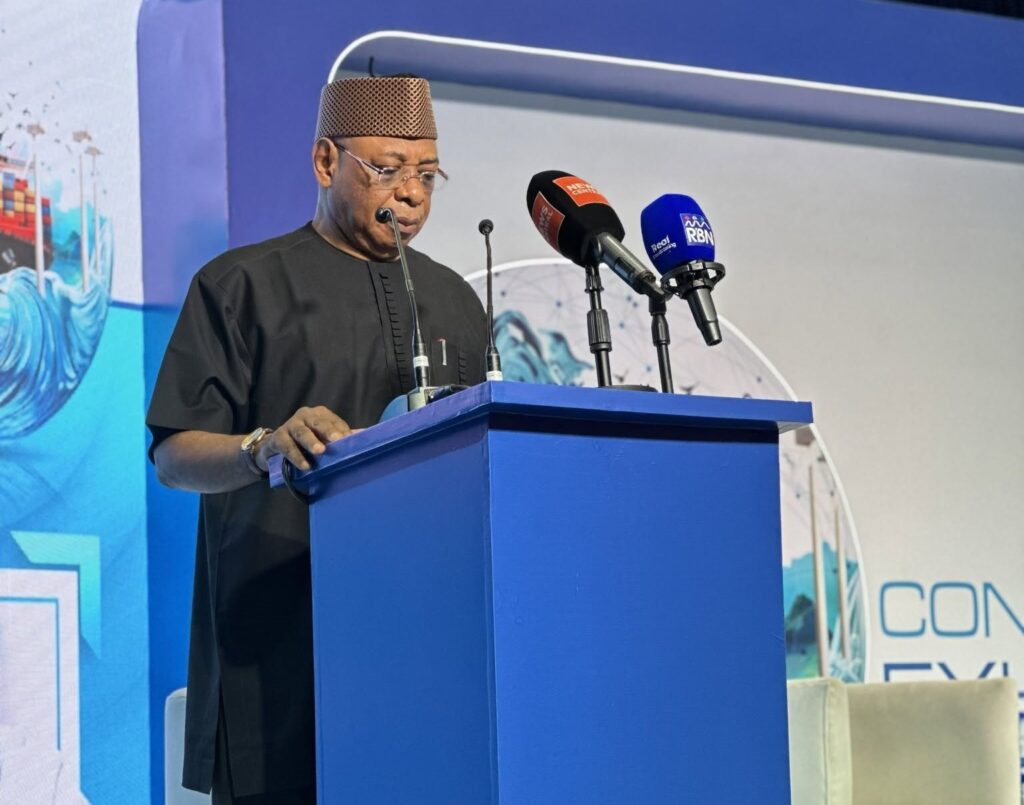
Noting that the ocean is not a barrier, but Africa’s gateway to the future, Dr. Adalikwu said the Blue Economy must be owned, financed, and developed by Africans.
“Let us build stronger maritime institutions, African shipping and logistics champions, a Maritime Bank of Africa and a truly integrated blue economy. Let us ensure Africa is not a bystander in the global maritime system.”
Similarly, the SG said no transformation is possible without people, calling on the need to invest in seafarers and engineers, naval architects and ocean scientists, port and logistics professionals, maritime lawyers and data specialists, cybersecurity experts and maritime entrepreneurs.
Similarly, the SG said no transformation is possible without people, calling on the need to invest in seafarers and engineers, naval architects and ocean scientists, port and logistics professionals, maritime lawyers and data specialists, cybersecurity experts and maritime entrepreneurs.
“No transformation is possible without people. Africa’s greatest maritime asset is its youth; it is the youth of this continent. We must invest in our youth, we must invest in seafarers and engineers, we must invest naval architects and ocean scientists, we must invest in maritime lawyers and data specialists a well as maritime entrepreneurs.”
Ebrima Sillah, Gambia’s Minister of Transport, Works and Infrastructure who also doubles up as the MOWCA chairman was expected to deliver a key note address but did not attend due to other engagements.
In a speech read on his behalf by Abraham Mendy, Gambia’s Deputy Permanent Secretary in the Ministry of Transport and Infrastructure, he noted that the major question is whether Africa is ready to capture opportunities available in Blue Economy, through investment in areas such as the Gulf of Guinea.
“The real question is not whether opportunity exist, but whether we have the capacity to capture it. We must therefore shift from viewing the Gulf of Guinea as a space to be protected, to a space to be developed and invested in. This requires action across key sectors; modern ports and logistics corridor, inland waterway transport, ship repairs and maritime services, fisheries and aquaculture, offshore and energy services, marine tourism, digital maritime systems, green and climate resilient infrastructure, maritime training and skills development.”
Emmanuel B.A Lansana, Deputy Executive Director of the Sierra Leone Maritime Administration while giving a case study of his country, said coastal communities must be engaged and integrated in to the Blue Economy for maximum benefits to be reaped.
“Coastal communities are not merely beneficiaries; they are the first line of awareness and often the first responders. Fishers, boat operators, landside communities, women’s processing groups and local authorities observe changes that distant communities my miss. So, in our operations, we are working closely not only with our security apparatus but also engaging communities and see how they can be part of the security system,” noted the Deputy Executive Director.
Delegates from over 10 African countries are attending the conference with conversations revolving around the ocean economy as a driver of youth employment, harbouring success – growing ports capacity and from blue potential to African maritime power among other topics.
Marabou News Agency